Radon Testing: Why Every Homeowner Should Test
Radon is an invisible, odorless radioactive gas that enters your home through cracks in the foundation and accumulates in basements and lower levels. It is the second leading cause of lung cancer after smoking, and the EPA estimates that nearly 1 in 15 homes has unsafe radon levels. Testing is the only way to know if your home is at risk, making it one of the most important health and safety steps homeowners can take.
Why Radon Is Dangerous and So Common
Radon comes from the natural decay of uranium in soil and rock beneath your home. Unlike pollutants you can smell or see, radon is completely undetectable without specialized equipment, which means dangerous levels can persist for years without your knowledge or suspicion. According to the EPA, radon exposure causes approximately 21,000 deaths per year in the United States, with 2,900 of those being lung cancer deaths in non-smokers. This makes radon a serious indoor air quality concern that deserves your attention.
Radon is particularly common in certain geographic regions. States like Pennsylvania, Ohio, Iowa, and Missouri have elevated radon potential due to their geology and soil composition. However, homes in every state can have radon problems, regardless of age or location. Radon concentrates most heavily in basements and lower levels, where it tends to accumulate as it seeps up from the ground and cannot easily escape. The concentration increases when homes are sealed tightly for energy efficiency, trapping the gas indoors.
The pathway for radon into your home is straightforward. It seeps through cracks in concrete foundations, gaps around pipes and utility penetrations, and openings around sump pumps. Even small cracks less than 1/8 inch wide can allow radon to enter. Homes built on clay soil or limestone are particularly susceptible, as these soils often contain higher uranium concentrations.
- Radon is produced naturally from uranium decay in soil beneath and around your home
- It seeps into homes through foundation cracks, sump pump openings, gaps around pipes, and other penetrations
- Concentration increases in lower levels of homes with poor ventilation and tight construction
- The EPA’s action level is 4 picocuries per liter (pCi/L), though some experts recommend 2 pCi/L
- Radon risk varies greatly by geography and specific soil composition
DIY Test Kits vs Professional Testing
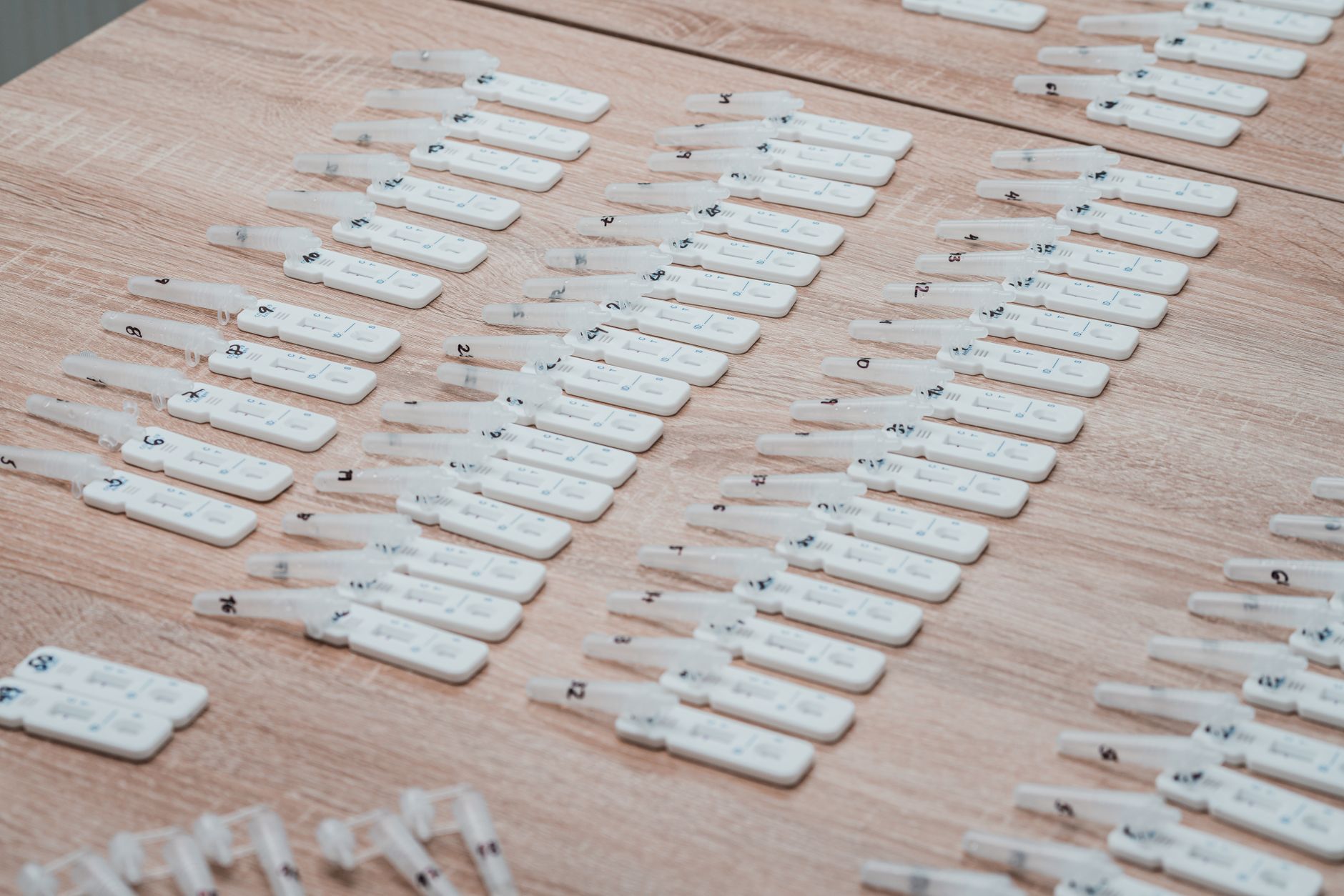
You have two main testing options when it comes to radon: short-term DIY test kits and professional radon testing services. DIY kits cost $15-$30 and are available at most hardware stores, online retailers, and drugstores. Professional testing typically costs $150-$300 and involves a certified radon professional who uses calibrated equipment and provides an official report suitable for real estate transactions.
DIY kits measure radon levels over 2-7 days using activated charcoal or alpha-track detectors. They are inexpensive and convenient, making them accessible for initial screening. However, they are less accurate than professional tests and do not provide the official documentation needed for real estate transactions or regulatory purposes. Professional testers use continuous radon monitors or charcoal canisters and often conduct longer-term tests lasting 48 hours to several months, giving more reliable results for important decisions like buying or selling a home.
The choice between DIY and professional testing depends on your needs. If you simply want to know whether your home might have a radon problem, a DIY kit is a good starting point. If you are buying or selling a home, or if you need definitive results for mitigation decisions, professional testing is worth the investment.
| Method | Cost | Duration | Accuracy | Best For |
|---|---|---|---|---|
| DIY Test Kit (charcoal or alpha-track) | $15-$30 | 2-7 days | Moderate (plus or minus 25%) | Initial screening and rough estimates |
| Professional Short-Term (48 hours) | $150-$250 | 2 days | High (certified equipment) | Real estate transactions and quick decisions |
| Professional Long-Term (90+ days) | $200-$300 | 3-12 months | Highest (seasonal average) | Confirming results before mitigation investment |
How to Read Your Radon Test Results
Radon levels are measured in picocuries per liter (pCi/L), a unit that indicates the amount of radioactivity in the air. When your test results arrive, compare them directly to the EPA’s action level of 4 pCi/L. Levels below 2 pCi/L are considered safe by most experts and the EPA. Between 2-4 pCi/L, the EPA recommends considering remediation based on your personal risk tolerance and the amount of time you spend in lower levels of your home.
Understanding your results helps you make informed decisions about next steps. The EPA estimates that reducing radon levels from 4 pCi/L to 2 pCi/L can cut lung cancer risk significantly over a lifetime of exposure. If your home tests above 4 pCi/L, you should definitely consider mitigation options and consult with a radon professional about your specific situation. Even modest reductions in radon levels provide meaningful health benefits.
Take time to review your results carefully. If using professional testing, ask the tester to explain your results and what they mean for your home. Request documentation of the testing method, dates, and conditions, as this information is important for future reference and for real estate transactions.
What Counts as an Unsafe Level
The EPA action level is 4 pCi/L. If your home tests at or above this level, the EPA recommends taking action to reduce radon through mitigation. Some experts and state programs are more conservative, recommending mitigation starting at 2 pCi/L, especially for families with young children or elderly members who spend significant time in basements. Levels above 4 pCi/L represent a meaningful lung cancer risk, particularly with prolonged exposure in basements or bedrooms on lower levels.
Even if your test shows levels just below 4 pCi/L, many homeowners choose to mitigate based on personal health concerns, the cost-effectiveness of radon reduction systems (typically $800-$2,500 for installation), and state or local guidelines. In real estate transactions, results must be documented; if you are selling, you are typically required to disclose radon test results to buyers. Offering to install mitigation before closing or crediting the buyer can help facilitate the sale.
How Radon Mitigation Systems Work
A radon mitigation system typically costs $800-$2,500 installed and works by venting radon gas safely from beneath your home’s foundation to the outdoor air above roof level. The most common system uses a soil depressurization technique: a PVC pipe runs from the foundation (usually through the basement or sump pump) up through the roof, with a small fan drawing radon-laden air out and away from living spaces. This prevents radon from accumulating indoors.
These systems are highly effective, typically reducing radon levels by 70-99% depending on the home’s foundation type and condition. Operating costs are minimal, usually $75-$150 per year in electricity. A licensed radon mitigation contractor can assess your home’s foundation, soil conditions, HVAC system, and water table to design an effective system for your specific situation. Many states require certification for contractors, so verify credentials before hiring anyone to work on your home. Proper attic ventilation and insulation also help with radon reduction and energy efficiency.
Mitigation systems are also valuable investments if you already own your home and want to protect your family’s long-term health. Learn more about comprehensive home safety that protects your family from various indoor hazards.
- Sub-slab depressurization: draws air from beneath the foundation slab using a vent pipe and fan
- Sump pump covers: seals radon entry points at sump pump openings to prevent radon infiltration
- Crawlspace ventilation: improves air exchange in crawlspace foundations to reduce gas concentration
- Foundation sealing: reduces cracks and gaps where radon enters, often combined with depressurization
- Heat recovery ventilators: brings in fresh outdoor air while exhausting indoor air in sealed homes
Testing Before You Buy or Sell
If you are buying a home, radon testing during the inspection period protects your family and helps you negotiate repairs or credits. Many home inspectors do not include radon testing in standard inspections, so request it separately or hire a certified radon tester as part of your due diligence. A short-term test lasting 48 hours is typical for real estate transactions and provides results quickly enough to factor into your purchase decision.
If you are selling a home, disclosure of radon test results is legally required in most states. Homes with high radon levels can still sell successfully; offering to install a mitigation system before closing or providing a credit to the buyer can facilitate the transaction. Many buyers appreciate sellers who have already addressed radon concerns, as mitigation becomes a selling advantage rather than a dealbreaker. Learn more about preparing your home for sale to maximize buyer appeal and value.
Bottom Line
Radon testing is a simple, affordable step that reveals a serious but entirely fixable home safety issue. Whether you use an inexpensive DIY kit for initial screening or hire a professional, knowing your home’s radon level protects your family’s long-term health. If levels are high, a mitigation system is a one-time investment that is far cheaper than dealing with health consequences down the road. Browse more home safety articles and maintenance guides to protect your family comprehensively.
Is radon testing required when buying a home?
Radon testing is not federally required, but it is strongly recommended by the EPA. Many state regulations and local lending requirements make it part of the purchase inspection. Negotiate testing into your purchase agreement during the inspection period.
How long does it take to get radon test results?
DIY test results take 2-7 days depending on the kit type. Professional tests done over 48 hours typically return results within 7-10 days. Longer-term professional tests (90+ days) provide results after that timeframe.
Can I test for radon myself?
Yes, DIY radon test kits are available at hardware stores for $15-$30. They are accurate enough for initial screening, though professional testing is more reliable for real estate transactions or before deciding on mitigation.
How much does radon mitigation cost?
Radon mitigation systems typically cost $800-$2,500, with ongoing electricity costs of $75-$150 annually. Cost varies by home size, foundation type, and local labor rates.
Does radon mitigation reduce home value?
No, radon mitigation increases buyer confidence and removes a major inspection concern, helping protect or even enhance your home’s market value.
Sources
Related reading
This site is independent and is not affiliated with any government agency, lender, insurer or contractor. The information is general in nature and is not legal, financial or professional advice.