
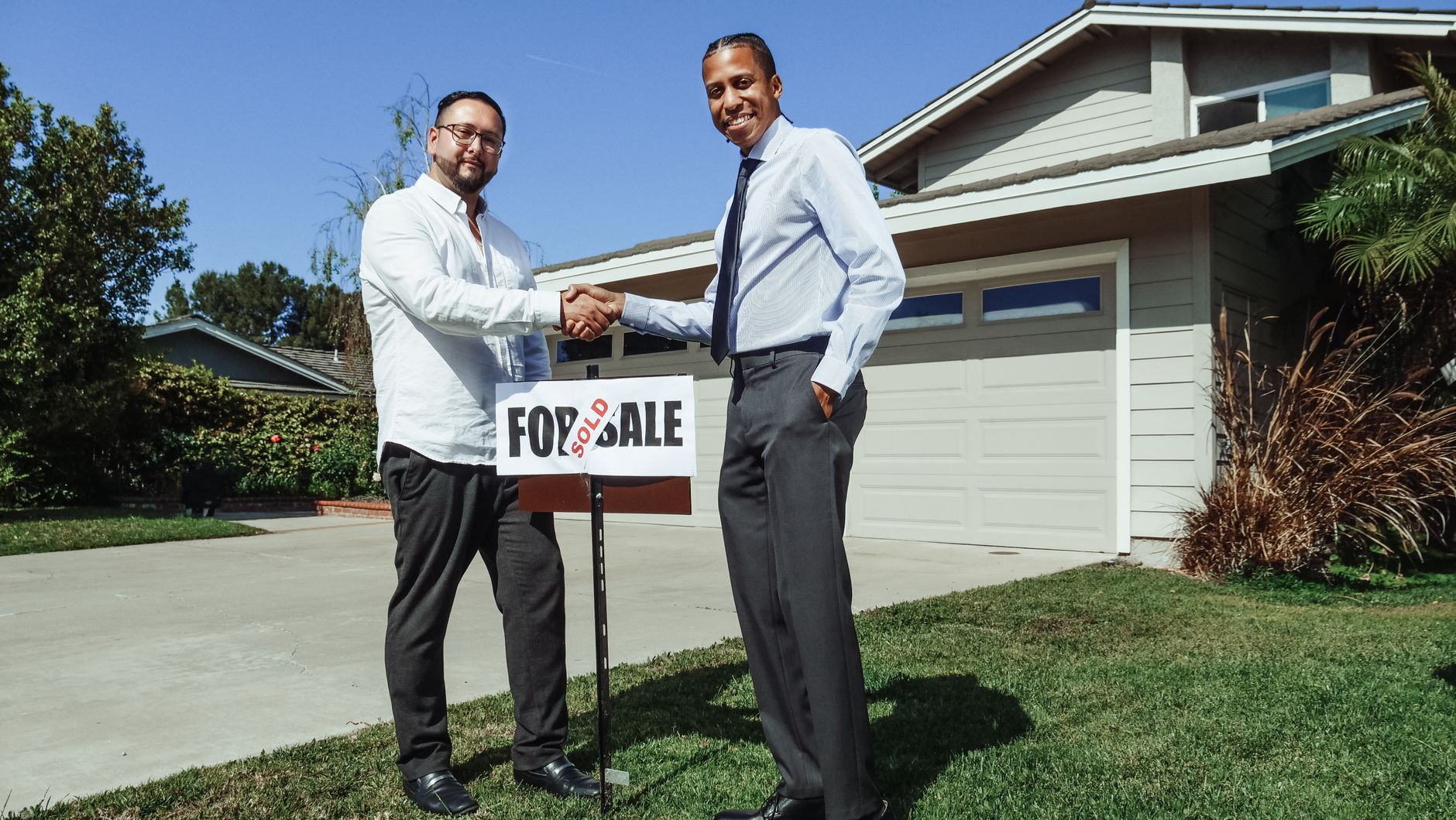
How to Sell Your House Fast: A Step-by-Step Guide
If you are asking how to sell my house fast, the short answer is to price it at or slightly below market value, since homes priced within 1 percent of market value sell in a median of 30 to 45 days according to National Association of Realtors data, while overpriced listings can sit for 90 days or more. Combine accurate pricing with quick cosmetic fixes and strong online photos to attract offers in the first two weeks.
Pricing Strategy for a Fast Sale
Price is the single biggest lever for sale speed. Homes that get a competing offer in the first week are almost always priced at or slightly under recent comparable sales, since buyers and their agents compare new listings against sold data within days of going live.
According to the NAR Profile of Home Buyers and Sellers, homes typically spend a median of about 3 to 4 weeks on the market in a balanced environment, but that number stretches significantly for listings priced 5 percent or more above comparable sales. A slightly aggressive price with a clear “priced to sell” positioning often nets a faster close than a high price followed by multiple reductions, since buyers tend to discount a listing psychologically once they notice repeated price drops.
- Pull comparable sales from the last 60 to 90 days, not older data
- Consider pricing just under a round number, like $399,000 instead of $405,000, to capture more search traffic
- Avoid the trap of pricing to leave room to negotiate, which slows initial interest
- Ask your agent for a pricing strategy specifically built around days-on-market, not just top-dollar
If you are unsure how your local market is trending, ask your agent for absorption rate data, meaning how many months of inventory currently exist at the current sales pace. A market with less than three months of inventory favors sellers and supports pricing closer to the top of your comparable range; more than six months favors buyers and rewards a more conservative price from day one.
Quick Repairs That Move the Needle
You do not need a full renovation to sell fast. Focus spending on repairs that show up in listing photos and inspection reports, since those are what buyers and their agents notice first.
| Quick Fix | Typical Cost | Why It Matters |
|---|---|---|
| Fresh interior paint, neutral tones | $1,000 – $3,000 | Consistently a top ROI fix in Remodeling Magazine cost data |
| Deep clean and carpet cleaning | $200 – $500 | Affects first impression in showings |
| Fix leaky faucets and running toilets | $100 – $300 | Common inspection flag |
| Replace worn light fixtures | $150 – $600 | Improves listing photo quality |
| Curb appeal: mulch, trim, pressure wash | $200 – $800 | Drives online click-through to the full listing |
Skip major system replacements unless something is actively failing. A functioning older HVAC or water heater rarely needs replacing before listing, since most buyers negotiate a credit instead of expecting brand-new systems. Save that spending for items an inspector will flag as an active safety issue, such as exposed wiring, a cracked heat exchanger, or active roof leaks.
A pre-listing inspection, typically $300 to $500, can help you decide where to spend limited repair dollars by surfacing issues before a buyer inspector finds them. Sellers who catch and disclose problems upfront often avoid the renegotiation delays that happen when a buyer inspection turns up a surprise mid-contract, which is one of the most common reasons a fast sale timeline slips by two to three weeks.
Staging on a Tight Timeline
Staged homes sell faster and often for more, but you do not need a professional stager on a rushed timeline. Decluttering and depersonalizing are the two highest-impact, lowest-cost steps, and both can be done in a weekend with a few boxes and a storage unit rental.
Fast Staging Checklist
- Remove at least a third of furniture and personal items to make rooms look larger in photos
- Clear kitchen counters completely except one or two decor pieces
- Open blinds and turn on all lights before every showing and photo session
- Address pet odors and smells, which surveys of buyer turn-offs consistently rank near the top
- Add fresh flowers or plants in the entryway for a low-cost warmth boost
If your timeline is under two weeks, consider a partial staging service that furnishes only the living room and primary bedroom rather than the whole house, which cuts staging cost significantly while still covering the rooms buyers focus on most in online photos.
Marketing Channels That Speed Up Offers
Most buyers start their search online, so listing quality and distribution matter more than yard signs. Professional photography is not optional for a fast sale: listings with high-quality photos receive meaningfully more online views than those with phone snapshots, based on MLS engagement data tracked by major brokerages.
- Professional photos and, ideally, a short walkthrough video
- Same-day MLS listing, which automatically syndicates to Zillow, Realtor.com, and similar sites
- A well-written listing description that leads with the strongest selling points, not generic language
- Open house within the first weekend of listing while buyer interest peaks
- Targeted social media promotion in local buyer and neighborhood groups
Timing your listing launch also matters. Data tracked by major listing portals consistently shows homes listed on a Thursday or Friday get more weekend showing traffic than homes listed midweek, since buyers plan their touring schedule around the weekend.
Respond to inquiries and showing requests within an hour whenever possible during the first two weeks. Buyers actively touring homes in a competitive window often move to the next listing on their list if a showing cannot be scheduled quickly, so a slow response can cost you a serious buyer even when your price and condition are right.
Cash Buyers and iBuyers: Pros and Cons
If speed matters more than maximizing price, cash buyers and iBuyer programs can close in as little as 7 to 14 days compared to the 30 to 45 days typical of a financed sale. The tradeoff is price: cash and iBuyer offers commonly come in 5 to 15 percent below fair market value to account for the convenience and the buyer resale margin.
| Sale Method | Typical Timeline | Typical Price Impact |
|---|---|---|
| Traditional MLS listing | 30 – 60 days | Market value |
| iBuyer program | 7 – 14 days | 5% – 15% below market |
| Local cash investor | 7 – 21 days | 10% – 30% below market |
Always get at least two or three cash offers to compare, since pricing among investors varies more than people expect. Read the contract closely for repair credits deducted after an inspection, which can shrink your net proceeds well below the initial offer, and confirm whether the buyer requires an appraisal contingency even on a cash deal, since some do.
How Fast Sales Affect Your Net Proceeds
A faster sale is not automatically a worse financial outcome once you account for carrying costs. Every extra month on the market costs the average seller money in mortgage payments, utilities, insurance, and property taxes, which the National Association of Realtors estimates can run 1 to 1.5 percent of home value annually just in ongoing carrying costs.
Run the math both ways before choosing a strategy: a cash offer 10 percent below market that closes in two weeks might net more than a full-price listing that takes four months and needs two price reductions plus two extra months of mortgage payments. Understanding typical closing costs for your sale, which usually run 6 to 10 percent of the sale price when you include agent commissions, also affects which path actually nets you more.
If you are trying to avoid a real estate commission on top of a fast timeline, compare that against the steps involved in learning how to sell a house without a realtor, since a for-sale-by-owner fast sale requires more of your own time on marketing and paperwork. Whichever route you take, budget time for a home inspection checklist walkthrough so nothing surprises you mid-contract, and invest in a few curb appeal ideas before your first photos are taken, since first impressions drive online click-through. If your goal is maximizing price rather than pure speed, our guide to renovating for resale covers which upgrades actually pay back at closing and which ones do not. For more on the buying and selling process, browse the full buying and selling section.
Bottom Line
Selling fast comes down to three levers: price it accurately from day one, fix the small things buyers notice in photos and inspections, and pick the right buyer pool for your timeline. A traditional listing priced correctly typically closes in 30 to 45 days, while cash buyers can close in 7 to 14 days for a lower price. Run the net-proceeds math before choosing, since carrying costs eat into the value of waiting for a higher offer.
How fast can you realistically sell a house?
A well-priced home listed on the MLS typically sells in 30 to 45 days from listing to closing, according to National Association of Realtors data. Cash buyers and iBuyer programs can close in as little as 7 to 14 days, though usually at a lower price.
Do I need to make repairs before selling fast?
Not major ones. Focus on low-cost fixes like paint, deep cleaning, and fixing obvious issues like leaky faucets, since these show up in photos and inspections. Skip full system replacements unless something is actively broken or unsafe.
Is selling to a cash buyer a good idea?
It depends on your priorities. Cash buyers close faster and skip financing contingencies, but typically offer 10 to 30 percent below market value. It is a reasonable trade if speed and certainty matter more than maximizing sale price.
What is the fastest way to sell a house without losing much money?
Price it accurately using recent comparable sales, invest in professional photos, and list on the MLS rather than going the cash-buyer route, which typically costs the most in reduced price. A correctly priced MLS listing balances speed and value best for most sellers.
Do open houses actually help sell a house faster?
Yes, especially in the first weekend after listing when buyer interest and search traffic peak. Homes that hold an open house in the first week typically generate more showings and offers than those that skip it.
Sources
Related reading
- Renovating For Resale: A Complete Guide for Homeowners
- Energy Efficient Windows: Cost and Real ROI
- Closing Costs Explained: What Buyers and Sellers Pay
This site is independent and is not affiliated with any government agency, lender, insurer or contractor. The information is general in nature and is not legal, financial or professional advice.