Roof Repair Cost 2026: What to Expect Before You Call a Roofer
Roof repairs typically cost $300-$1,200 for minor issues such as a single leak or a few damaged shingles, and $1,500-$5,000 for more extensive damage affecting multiple roof sections. Emergency repairs and repairs on steep or difficult roof pitches cost significantly more due to safety requirements and specialized equipment. Whether you’re dealing with a small leak or widespread damage, understanding roof repair pricing helps you make informed repair-versus-replacement decisions confidently and avoid inflated quotes from unscrupulous contractors.
Average Roof Repair Cost by Problem Type
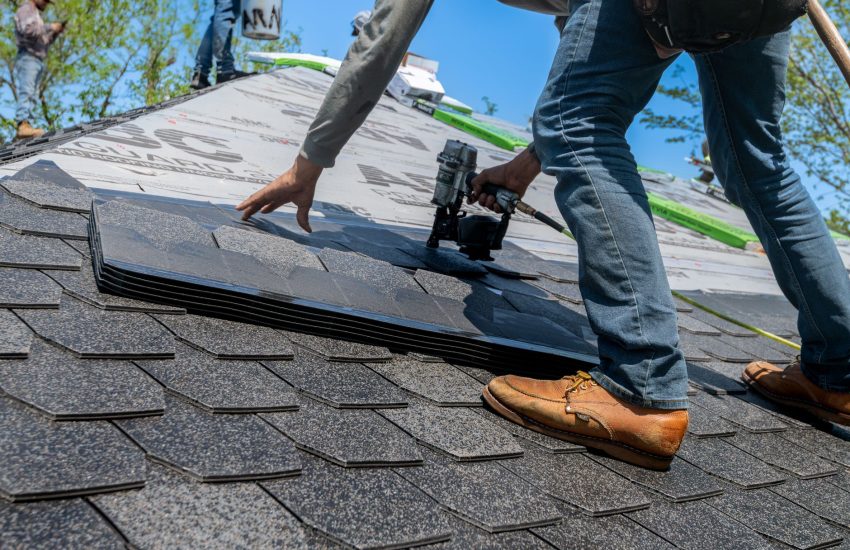
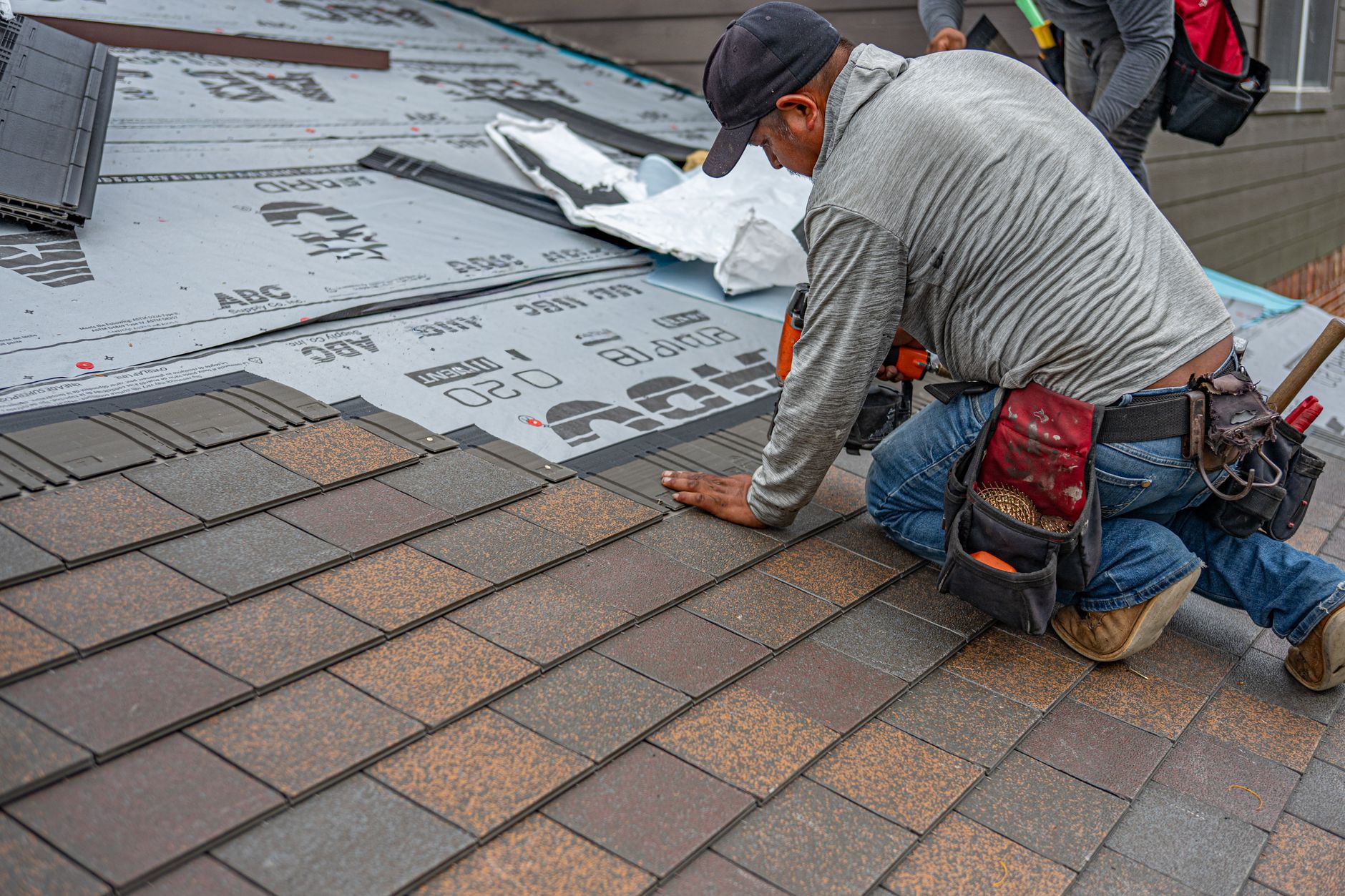
Roof repair costs depend entirely on the specific nature and extent of the damage requiring repair. A single roof leak caused by flashing issues – one of the most common leak sources – typically costs $200-$500. Replacing 5-10 damaged shingles after storm damage runs $300-$750. Missing or degraded flashing around vents, chimneys, or skylights, or cracked caulk seals, costs $400-$800 to repair properly.
More extensive repairs such as replacing multiple roof sections, fixing widespread shingle damage across a large area, or addressing structural damage found during inspection can jump to $1,500-$4,000 or more. Labor is typically charged at $45-$75 per hour depending on the contractor’s experience and your geographic location, with most repairs taking 2-6 hours of labor. Materials such as shingles, flashing, roofing cement, and waterproofing sealant add $200-$1,000 depending on the repair scope and material quality selected.
Emergency repairs conducted during nights, weekends, or immediately during active storms cost 1.5-2 times normal rates due to the convenience premium and difficulty of working in hazardous conditions. Regional costs vary significantly: urban areas and high-cost-of-living regions charge considerably more than rural areas. A roof repair costing $600 in rural areas might cost $900-$1,200 in major metropolitan areas.
| Repair Type | Typical Cost Range | Labor Hours | Urgency | Materials |
|---|---|---|---|---|
| Single roof leak repair | $200-$500 | 1-2 hours | High (prevents interior damage) | Flashing, sealant, shingles |
| Replace 5-10 shingles | $300-$750 | 1-3 hours | Medium | Asphalt shingles, roofing nails, sealant |
| Flashing repair or replacement | $400-$800 | 2-4 hours | High (common leak source) | Metal flashing, sealant, fasteners |
| Patch multiple roof sections | $1,500-$3,000 | 4-8 hours | Medium-High | Multiple shingles, felt, flashing, cement |
| Emergency repair (night/weekend/storm) | $500-$1,500 | 2-4 hours | Critical | Tarping materials, temporary sealing, shingles |
| Roof valley repair or replacement | $600-$1,200 | 2-4 hours | High (water concentration area) | Metal valley, shingles, sealant |
Repair vs Replace: How to Decide
A widely-used rule of thumb in the roofing industry: if repair costs exceed 50% of the cost of a full roof replacement, replacement is typically the smarter long-term financial investment. For example, if a full roof replacement costs $10,000, repairs exceeding $5,000 suggest full replacement is wiser. This rule accounts for diminishing returns – multiple expensive repairs accumulated over 2-3 years will eventually total more than replacement cost, and an aging roof requires replacement soon anyway.
Roof age is the critical factor in this decision: if your roof is already 15-20 years old and needs significant repair, replacement is often the far smarter long-term investment because the roof is nearing end-of-life anyway. Most asphalt shingle roofs last 15-25 years depending on climate and maintenance. If your roof is only 5-10 years old with one specific problem (a leak, storm damage to a section), repair usually makes excellent financial sense because the roof should last many more years.
Get a professional roofer’s honest assessment: a quality contractor will recommend repair if it’s the appropriate choice for your situation, not pressure you toward an unnecessary expensive replacement. Red flags include roofers who insist on replacement without thorough inspection or roofers who discourage you from getting competitive bids.
What Roofers Charge for Emergency Leaks
Emergency roof repairs conducted during nights, weekends, or during active storms cost significantly more than business-hours repairs – typically $500-$1,500 for a standard leak that might cost $300-$600 during normal hours. This premium reflects the roofer’s willingness to drop everything else and respond immediately, as well as the difficulty and safety risks of working on slippery, wet roofs during weather events.
Temporary tarping or plastic sheeting to prevent interior water damage until permanent repairs can be scheduled might cost $200-$400, but it’s a worthwhile investment that buys you several days or even weeks before permanent repairs are necessary. If a storm causes roof damage, act quickly to tarping or seal the leak to prevent interior water damage, mold growth, and structural deterioration. Then get permanent repair bids from 2-3 licensed roofers during normal business hours when rates are significantly lower than emergency pricing.
Most homeowners’ insurance policies cover storm damage including hail, high wind, and fallen tree damage. Document all damage thoroughly with photographs and video taken from the ground and any accessible vantage points before making repairs. Contact your insurance company promptly; many policies require prompt notice and have specific timeframes for filing claims.
Factors That Increase Repair Costs
Steep roof pitch (steeper angles mean harder access and more dangerous working conditions) increases labor time and safety equipment costs substantially. Two-story or multi-story homes cost more due to the need for extended ladders, safety harnesses, and equipment to reach upper roof areas. Difficult-to-access areas such as roof peaks, valleys, or areas above architectural features take longer and cost more labor. Special premium materials such as copper flashing, slate shingles, or high-end composite materials cost far more than standard asphalt shingles and typical aluminum flashing.
Structural issues discovered during roof inspection – rotted wood decking, weak roof framing, damaged fascia boards – add significant repair costs ranging from hundreds to thousands of dollars depending on the extent of deterioration. This is why professional roof inspections are valuable; hidden structural damage discovered early costs less to repair than damage that progresses undetected for months or years.
Weather delays roof repairs: professional roofers will not work on wet, icy, or excessively windy roofs due to safety hazards. Winter repairs in cold climates may be delayed for weeks waiting for suitable weather. Scheduling repairs in spring or fall, when weather is typically cooperative and roofers are less overwhelmed with work, often results in faster scheduling and lower emergency-pricing premiums.
How to Vet a Roofing Contractor
Get written estimates from at least 2-3 licensed contractors; this gives you pricing benchmarks and helps identify outliers. Verify that each contractor holds current roofing licenses and maintains adequate liability and workers compensation insurance – this is absolutely non-negotiable for roof work. Request references from recent roof repairs they’ve completed (not just replacements, as different contractors specialize in different work). Check Better Business Bureau ratings, Google Reviews, and Yelp for patterns of complaints or disputes.
Ask directly if the contractor offers written warranties on both labor and materials; reputable contractors typically offer 1-2 year labor warranties and 2-10 year material warranties depending on the shingle quality. Ensure the warranty is provided in writing as part of the contract. Learn about maintaining your roof as part of seasonal home maintenance to extend its lifespan and catch problems early.
Red flags that suggest a contractor is unreliable or attempting to overcharge include: offering estimates without physically inspecting the roof, aggressively pushing you toward expensive roof replacement, demanding large upfront payments before work begins (request progress-based payment tied to completion milestones), using high-pressure sales tactics like “only available this week,” or offering suspiciously low bids that seem unrealistic. Trustworthy contractors thoroughly inspect roofs, provide detailed written itemized estimates, explain their findings clearly in plain language, and actively encourage you to get competitive bids and compare options.
Related guides in our home services section: Garage Door Repair Cost 2026: What Homeowners Actually Pay, New Garage Door Opener Installation Cost 2026.
Bottom Line
Roof repairs range from a few hundred dollars for minor issues to thousands for extensive damage. Prioritize roof leaks immediately to prevent interior water damage, mold growth, and structural deterioration. Less urgent repairs can usually wait for fair-weather scheduling to minimize premium pricing. Always get 2-3 written competitive bids from licensed contractors, verify credentials and insurance, and don’t hesitate to ask detailed questions. When repair costs approach 50% of full replacement cost, replacement may be the smarter long-term investment for your home’s value and your peace of mind. Browse more home services and repair cost guides to budget effectively for home improvements.
How long does a typical roof repair take?
Simple repairs (a leak, a few shingles) take 1-3 hours. More extensive repairs take a full day (4-8 hours). Emergency repairs done on nights/weekends may take longer due to limited light and crew availability.
Does homeowners insurance cover roof repair?
Storm damage (hail, wind, fallen trees) is typically covered. Age-related wear, lack of maintenance, and missing shingles are usually not covered. Review your policy and call your insurer after damage occurs.
Should I get the repairs done immediately or wait?
Roof leaks need immediate attention to prevent interior water damage, mold, and structural problems. Other repairs can wait for better weather and contractor availability, but don’t ignore them indefinitely.
What’s a reasonable warranty for roof repair?
Reputable roofers offer 1-year labor warranties and 2-10 year material warranties depending on shingle type and quality. Warranties should be in writing.
Can I negotiate a roofing contractor’s bid?
Yes, if you have competitive bids, ask contractors to match or beat the lowest price from a reputable contractor. Avoid negotiating with the cheapest bid; focus on quality contractors.
Sources
- HomeAdvisor – Roof Repair Cost
- Angi – Average Roof Repair Costs
- This Old House – Roof Repair Guide
- National Roofing Contractors Association
Related reading
- Roof Replacement Cost 2026: Full Price Breakdown
- New Garage Door Opener Installation Cost 2026
- Garage Door Repair Cost 2026: What Homeowners Actually Pay
This site is independent and is not affiliated with any government agency, lender, insurer or contractor. The information is general in nature and is not legal, financial or professional advice.