
Roof Replacement Cost 2026: Full Price Breakdown
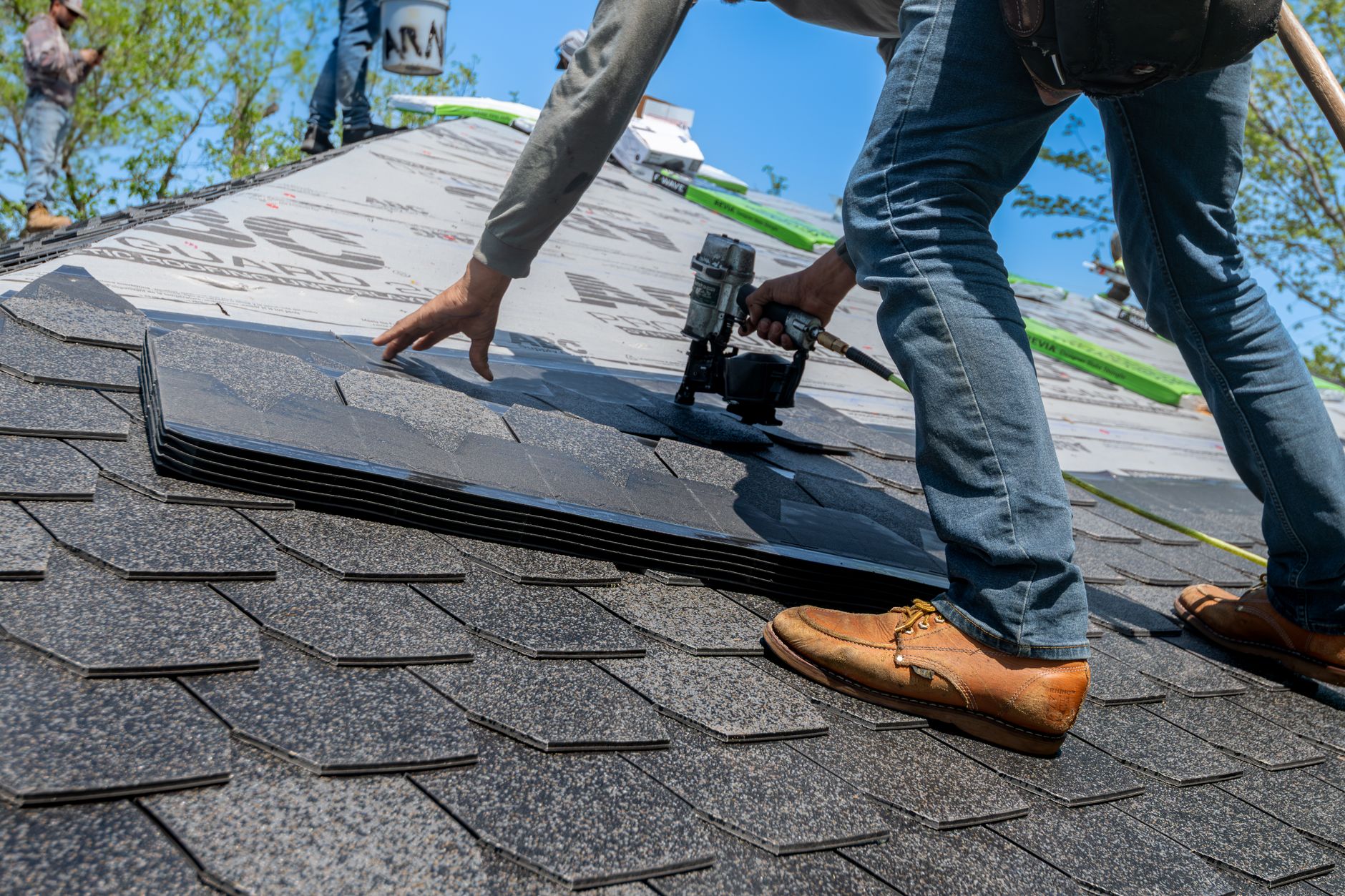
A full roof replacement costs $15,000 to $25,000 nationally for a typical 2,000 to 2,500 square-foot home with asphalt shingles. This translates to roughly $6 to $10 per square foot installed, or $600 to $1,000 per 100 square feet (called a “square” in roofing). Premium materials like metal or clay tiles cost 50 to 100 percent more. Labor accounts for 40 to 50 percent of the total roof replacement cost, with regional variations affecting your final bill significantly.
Average Roof Replacement Cost in 2026
The average residential roof replacement runs $8,000 to $25,000 depending on size and material choice. A 2,000 square-foot home with a simple gable roof and asphalt shingles costs $12,000 to $18,000. A 3,000 square-foot home with multiple slopes, valleys, and dormers costs $18,000 to $28,000. Steeper roofs (higher pitch) and complex layouts require more labor, safety equipment, and materials, increasing costs 15 to 25 percent over simple designs.
Materials supply chain stabilization in 2026 has held asphalt shingle prices steady at $150 to $300 per square. Labor rates vary regionally. Urban areas with union labor run $50 to $80 per hour while rural areas run $30 to $50 per hour. Expect the entire roof replacement job to take 3 to 7 days depending on weather conditions and roof complexity.
Cost by Roofing Material
Your choice of material dramatically affects the total roof replacement cost:
| Material | Cost per Square Foot | Lifespan | Total Cost (2,000 SF Home) |
|---|---|---|---|
| Asphalt Shingles (3-tab) | $3.50-$5.50 | 15-20 years | $7,000-$11,000 |
| Asphalt Shingles (Architectural) | $4.50-$7.00 | 20-25 years | $9,000-$14,000 |
| Metal Roofing | $7.00-$12.00 | 40-70 years | $14,000-$24,000 |
| Wood Shakes | $10.00-$15.00 | 20-40 years | $20,000-$30,000 |
| Clay or Concrete Tiles | $8.00-$18.00 | 40-100 years | $16,000-$36,000 |
Asphalt shingles are the budget choice for most homeowners seeking affordable roof replacement cost options. Metal roofing costs 50 percent more upfront but lasts 2 to 3 times longer and qualifies for energy tax credits (up to $3,600 through 2032). Architectural shingles split the difference, costing 30 to 40 percent more than 3-tab shingles but lasting 5 to 10 years longer and providing better appearance.
Cost by Roof Size and Pitch
Roofing is priced by the “square,” which equals 100 square feet of material. A 2,000 square-foot roof actually covers 2,000 to 2,200 square feet of surface area due to overlapping shingles and underlayment. Steeper roofs measured as “rise over run” (such as 8:12, meaning 8 inches up for every 12 inches horizontal) require more material and labor. An 8:12 roof covers approximately 25 percent more area than a 4:12 roof on the same home, making it roughly 25 percent more expensive to shingle and install.
Additional factors increasing roof replacement cost include:
- Roof valleys and dormers: Each valley adds $200 to $500 in labor; dormers add $300 to $800. Complex roofs can cost 20 to 40 percent more than simple gable designs.
- Roof penetrations (vents, chimneys, skylights): Each penetration needs flashing (waterproof sealing). Typical cost: $150 to $300 per penetration.
- Deck removal: If your old roof has multiple layers, contractors charge $500 to $2,000 extra to remove and dispose of existing material. Single-layer roofs are stripped at no extra charge.
- Structural repairs: If decking is rotted from prior leaks, replacement runs $1,500 to $5,000 depending on damage extent.
Labor vs Material Costs Explained
On a typical $15,000 roof replacement: materials cost $6,000 to $7,000 (40 to 47 percent), labor costs $6,500 to $7,500 (43 to 50 percent), and permits, cleanup, and overhead account for $1,000 to $1,500 (7 to 10 percent). The ratio shifts with material choice. Metal roofs cost more in materials, less in labor (fewer pieces to install). Asphalt costs less in materials, more in labor.
Hiring a licensed contractor costs more than using a crew from a big-box store promotion, but includes liability insurance, permits, and warranties. That $1,000 “discount” from an unlicensed crew often means no warranty, no permits, and no recourse if leaks appear in year 2.
Signs You Need a Full Replacement, Not a Repair
Home warranties and insurance claims can help offset costs, but roof repairs ($500 to $2,000) fix isolated damage like a few missing shingles or a small leak. Full replacement becomes necessary if:
- Your roof is 15 or more years old and showing widespread damage (curled, cracked, or missing shingles on more than 30 percent of the roof)
- Multiple leaks in different areas (indicates systemic failure, not isolated damage)
- Hail or storm damage affecting more than 25 percent of the roof surface
- Sagging or visible rot in the roof deck
- Moss or algae coverage with granule loss (indicates advanced deterioration)
A professional roof inspector costs $300 to $500 but clarifies whether repair or replacement is necessary. Some roofers offer free estimates but may push replacement to increase the sale. Get independent opinions if your roof is marginal.
How to Get Competitive Roofing Quotes
Request quotes from at least three licensed roofers for your roof replacement cost assessment. Provide each with identical information: square footage, roof pitch, desired material, and photos of your current roof. Ask each quote to include:
- Material cost and manufacturer warranty (usually 25 to 30 years)
- Labor cost and workmanship warranty (usually 5 to 10 years)
- Permit and inspection costs
- Debris removal and haul-away
- Any structural repairs discovered during removal
- Roof penetration flashing (vents, chimneys, skylights)
Unusually low quotes often indicate shortcuts: single-layer removal (leaving old material underneath), lower-grade materials, or no warranty. Unusually high quotes may reflect premium brands or unnecessary upgrades. The middle quote of three is typically fair.
Financing a Roof Replacement
If you don’t have $15,000 to $25,000 cash on hand, three financing options exist:
- Home equity loan: Borrow against home equity at 6 to 9 percent rates. An $18,000 loan over 10 years costs roughly $190 monthly in payments.
- Home improvement loan: Specialized unsecured loan at 8 to 14 percent. No home equity required but higher rates than equity loans.
- Contractor financing: Some roofers offer 0 percent for 12 to 24 months via third-party lenders. Read terms carefully because interest applies if you miss a payment.
Some insurance companies pay for roof replacement if damage is covered under your policy (hail, wind, falling tree). Roof leaks from normal aging are not covered, but storm damage is. File a claim if your roof was damaged in a recent storm.
FAQs About Roof Replacement Costs
Q: Can I reroof over my existing roof?
A: Most building codes allow one layer of reroofing (shingles over shingles) to save money, but it can trap moisture and shorten the new roof’s lifespan. Removing the old roof costs $500 to $2,000 extra but prevents future problems.
Q: Will my insurance pay for roof replacement?
A: Only if damage is from a covered event (hail, wind, fire). Normal aging is not covered. Age and roof condition affect claims. Check your policy’s roof coverage section.
Q: How do I get a tax credit for a roof?
A: Metal roofs can qualify for up to $3,600 in federal tax credits through 2032 if they meet reflectance standards. Other materials do not qualify. Consult a tax professional about your eligibility.
Q: Should I replace my roof before selling my home?
A: If your roof is less than 20 years old and in good condition, replacement is not necessary. Inspectors note age and condition; buyers decide if replacement is needed. Preventive replacement reduces your sale price by more than the replacement cost.
Q: What is the best time to replace a roof?
A: Spring or fall offer stable temperatures and low rain (ideal conditions). Winter and summer are slower seasons and contractors may offer discounts, but weather delays are more common.
Bottom line
Roof replacement costs $15,000 to $25,000 for a typical home with asphalt shingles, or $6 to $10 per square foot installed. Material choice, roof size, pitch, and local labor rates all affect price. Get three competitive quotes, ensure each includes debris removal and penetration flashing, and verify contractor licensing and insurance. If your roof is over 15 years old, showing widespread damage, or leaking in multiple locations, replacement is necessary. Consider professional installation in your home-services category to ensure proper work and warranty coverage. Related articles like roof repair cost and roof insurance claims provide additional guidance.
How long does a roof replacement take?
Typically 3 to 7 days depending on weather, roof size, and complexity. Large or complex roofs may take up to 2 weeks. Most contractors schedule removal and installation on separate days.
Do I need permits for roof replacement?
Yes, in most jurisdictions. Permits ($100 to $500) ensure proper installation and protect you if issues arise. Licensed contractors handle permit applications; unlicensed crews may skip them.
What’s the difference between architectural and 3-tab shingles?
3-tab shingles are uniform, lightweight, and cheaper ($3.50-$5 per sq ft). Architectural shingles are thicker, dimensional-looking, and more durable ($4.50-$7 per sq ft), lasting 5 to 10 years longer.
Can I walk on my roof after replacement?
It depends on the material. Asphalt shingles are walkable immediately but are more slippery. Metal roofs are walkable after 24 hours. Avoid walking on brand-new roofs for 48 hours if possible.
Should I hire a local roofer or a national chain?
Local licensed roofers often provide better warranty service and faster responsiveness. National chains offer brand consistency but may be slow to address warranty issues. Choose based on licensing, references, and warranty terms.
Roof replacement cost estimator
Enter your own numbers and press Calculate.
Formula: footprint x sqrt(1 + (rise/12)^2) x (1 + waste) = roof area; squares = area / 100; total = squares x (cost per square + tear-off). The per-square costs are placeholder assumptions: replace them with the numbers from your own written quotes. Dormers, valleys, decking repair and permits are not included.Sources
- HomeAdvisor Cost Data
- National Roofing Contractors Association
- U.S. General Services Administration Building Standards
- Asphalt Roofing Manufacturers Association
Related reading
- New Garage Door Opener Installation Cost 2026
- Garage Door Repair Cost 2026: What Homeowners Actually Pay
This site is independent and is not affiliated with any government agency, lender, insurer or contractor. The information is general in nature and is not legal, financial or professional advice.