
Slip and Fall on Your Property: What Homeowners Are Liable For
Slip and fall liability homeowner situations occur when visitors are injured due to your negligence. Understanding slip and fall liability for homeowners depends on whether you were negligent and whether you had a legal duty to warn or protect visitors. Generally, you’re liable when a visitor is injured due to a hazard you knew about or should have known about, and you failed to warn them or fix the problem. State laws vary significantly, and certain visitor types have different legal protections. Your homeowners insurance typically covers slip and fall liability up to your policy limits, but coverage has exclusions and limits. Understanding your homeowners insurance coverage is essential for protecting yourself and your property.
When a Homeowner Can Be Held Liable
Homeowner liability hinges on the legal concept of negligence. Negligence requires four elements: you had a duty of care toward the injured person, you breached that duty, the breach caused the injury, and the injured person suffered actual damages. The duty of care you owe varies based on who was on your property. You have the highest duty of care toward invited guests and customers. You owe less duty to trespassers, but you still cannot intentionally or recklessly injure them.
Courts examine whether you created the hazard, whether you knew about it, whether you should have known about it through reasonable inspection, and whether a reasonable person in your position would have warned or fixed the problem. A visitor slips on a wet spot you just created and didn’t warn about: you’re almost certainly liable. A visitor slips on a wet spot that appeared during the night while you were sleeping: liability becomes less clear, depending on your state’s standards. If you knew about a hazard and did nothing to warn visitors or fix it, liability is difficult to defend in court.
- You created the hazard and failed to warn visitors about it
- You knew about the hazard and did nothing to fix or warn
- You should have discovered the hazard through reasonable inspection
- The injury would not have occurred but for your negligence
Premises Liability Explained in Plain English
Premises liability is the legal responsibility property owners have to maintain safe conditions for visitors. Your property must be reasonably safe for the purposes for which people are invited onto it. If you invite someone for dinner, your kitchen and dining room must be reasonably safe. If you invite someone to use your pool, the pool area must meet safety standards. Homeowners are not required to maintain perfect safety, only reasonable safety. Courts apply a “reasonableness” standard when determining whether you’ve met your obligation.
The law recognizes different categories of people who might be on your property. An invitee is someone you’ve explicitly or implicitly invited, like guests at a party or customers making a delivery. A licensee is someone present with your permission but not for your commercial benefit, like a friend visiting or a door-to-door salesman. A trespasser is someone on your property without permission. You owe the highest duty of care to invitees, a moderate duty to licensees, and the lowest duty to trespassers. These distinctions matter because they affect what liability claims courts will consider valid.
Most states follow what’s called “ordinary negligence” standards for premises liability. A few states follow “strict liability” standards that impose liability even without negligence in certain situations. Knowing which standard applies in your state is important when evaluating your liability risk. Consult a licensed attorney in your state if you’re unsure, particularly if you’ve already experienced a slip and fall incident on your property. Learn how to save on home insurance while maintaining adequate liability protection.
What Your Homeowners Insurance Covers
Standard homeowners insurance includes liability coverage that pays for injuries people suffer on your property due to your negligence. Liability coverage typically starts at $100,000 and goes up to $500,000 or more depending on your policy. This coverage pays medical bills, rehabilitation costs, lost wages, and damages awarded in lawsuits, up to your policy limit. Without liability coverage, you’d pay these costs out of pocket, potentially facing bankruptcy from a serious injury claim.
| Insurance Feature | What’s Covered | What’s Not Covered |
|---|---|---|
| Liability Coverage | Guest injuries from your negligence | Intentional injuries, injuries to household members |
| Medical Payments | Medical bills regardless of fault | Injuries to household members |
| Umbrella Policy | Claims exceeding standard limits | Intentional acts, criminal activity |
| Property Damage | Damage guest causes on your property | Your own property damage |
Homeowners insurance typically does not cover injuries to household members or residents. If your spouse slips on your wet floor, homeowners liability won’t cover their injuries. This is intentional because household members are covered under workers’ compensation if they’re injured in a work context, and family members have different legal relationships than guests. Coverage also excludes injuries resulting from intentional acts or criminal behavior on your part.
Common Hazards That Trigger Claims
Wet floors represent the most common slip and fall hazard, both inside and outside homes. Bathroom accidents happen when showers are slippery, bathrooms lack proper drainage, or visitors step on wet surfaces. Outdoor wet hazards include rain-slicked decks, icy walkways, and puddles after storms. Homeowners have a responsibility to clean up spills promptly and post warning signs if immediate cleanup isn’t possible. The longer a hazard persists without warning or correction, the stronger a liability claim becomes.
Cluttered walkways and tripping hazards rank second among slip and fall claims. Throw rugs on hardwood floors, electrical cords running across pathways, and items stored on stairs create tripping risks. Children’s toys left in high-traffic areas, landscaping materials near entryways, and uneven flooring pose hazards. Poor lighting compounds these risks by making hazards harder to see. You don’t need to eliminate every possible hazard, but you should clear obvious obstacles from common pathways and ensure adequate lighting in dark areas. Review your coverage in your homeowner legal resources to understand your liability limits.
- Wet floors from showers, spills, or rain without warning signs
- Ice and snow on walkways and driveways without treatment or warnings
- Loose rugs, cords, or items creating tripping hazards
- Broken steps, uneven pavement, or damaged flooring
- Poor lighting in entryways, hallways, or stairways
- Missing handrails on stairs or steep ramps
- Pets on walkways or uncontrolled animals
Steps to Take Right After an Incident
If someone is injured on your property, first priority is getting them medical attention if needed. Call 911 if the injury appears serious. Document everything while details are fresh. Take photographs of the exact location where they fell, including the hazard that caused it, lighting conditions, weather conditions, and any warning signs or lack thereof. Write down the injured person’s name, phone number, and address. Get contact information for anyone who witnessed the incident. Note the exact time and date of the accident.
Do not admit fault or apologize in a way that accepts responsibility. A simple “I’m sorry you’re hurt” expresses concern without admitting liability. Do not discuss the incident with anyone except your insurance company and your attorney. Anything you say can be used against you later. Call your homeowners insurance company and file a claim immediately. Your insurance agent will guide you through their process and explain what happens next. If the injured person threatens legal action or contacts you directly, refer them to your insurance company and stop direct communication with them.
Preserve evidence and do not alter the scene. If the hazard was a wet floor, you might be tempted to dry it up, but don’t. Photography and preservation of conditions helps your insurance company investigate. If you need to make the area safe for other visitors, do that, but document it carefully. Keep copies of medical records the injured person provides, photographs, witness statements, and your own incident report in a secure location. Do not discuss the incident on social media or with acquaintances, as these statements can become evidence in litigation.
How to Reduce Your Liability Risk
The best liability defense is preventing incidents in the first place. Conduct regular inspections of your property to identify potential hazards. Walk through your entryway, stairs, bathrooms, decks, and walkways regularly looking for slip, trip, and fall risks. After rain or snow, inspect outdoor areas for new hazards. Fix hazards promptly: repair loose steps, replace missing handrails, fix broken pavement, and replace non-slip surfaces that have become slippery with age. Maintain adequate lighting in dark areas where guests walk. Motion-activated lights in entryways provide safety and deter intruders.
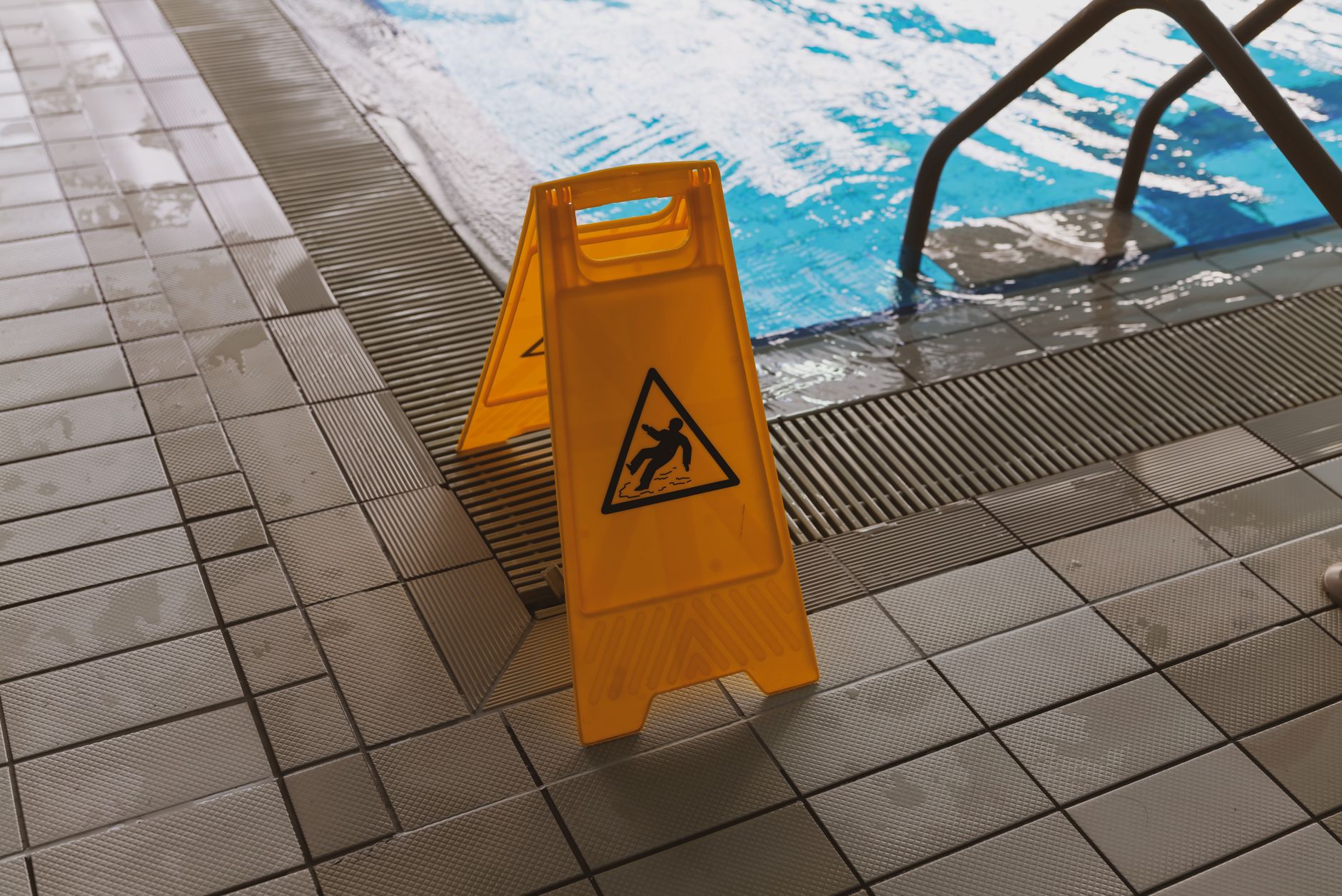
Keep pathways clear of obstacles. Remove throw rugs that shift underfoot or replace them with ones that have non-slip backing. Bundle electrical cords along walls rather than across walkways. Store items in closets or cabinets rather than on floors. Trim tree branches and shrubs near walkways that could create visibility issues. Install appropriate signage warning of hazards you cannot immediately fix. A simple “Caution: Wet Floor” sign after spilling water demonstrates you’re taking reasonable precautions. These warning signs don’t eliminate liability but show the court that you exercised reasonable care.
- Walk your property monthly to identify potential hazards
- Repair damaged flooring, steps, and pavement promptly
- Maintain non-slip surfaces and install safety railings
- Keep walkways clear of obstacles and clutter
- Ensure adequate lighting in all areas guests access
- Address weather hazards like snow and ice within reasonable timeframes
- Post warning signs for unavoidable temporary hazards
When to Get Professional Help
If someone is injured on your property and threatens legal action or you’ve already been served with a lawsuit, consult a personal injury attorney licensed in your state immediately. Your homeowners insurance provides a defense, but an attorney can also protect your personal interests independently from your insurer if conflicts arise. An attorney helps you understand your state’s specific liability laws and advises you on communicating with the injured party and the insurance company.
For additional protection beyond standard liability coverage, explore home warranty companies that can cover injuries and accidents. If your insurance company denies the claim, disputes your account, or seems unresponsive, you need attorney representation to appeal the denial or pursue your own claim against your insurer if appropriate. Some homeowners face situations where the injured party’s claim exceeds their insurance coverage limits. An attorney helps negotiate settlements and explains your options. If you’ve already been served with legal papers, do not ignore them. Respond within the timeframe specified, and immediately provide all documents to your attorney and insurance company.
Bottom Line
Slip and fall liability for a homeowner depends on whether you acted negligently and owed a duty of care to the injured person. Most guests are owed a high duty of care, meaning you must maintain reasonably safe conditions and warn of known hazards. Homeowners insurance covers liability up to your policy limit, protecting you financially. Regularly inspect your property for hazards, maintain clear pathways, ensure good lighting, and fix problems promptly to minimize your risk.
Am I liable if someone slips on ice on my driveway?
Liability depends on your state’s law and whether you made reasonable efforts to treat ice. Some states hold homeowners responsible for removing snow and ice; others don’t. Know your state’s requirements.
What if the injury was partially the visitor’s fault?
Many states use comparative negligence, reducing your liability proportionally. If the visitor was 25% at fault, you’re only liable for 75% of damages.
How much liability coverage do I need?
Most experts recommend $300,000-$500,000 in liability coverage. If you have significant assets, consider umbrella coverage for additional protection.
Does my insurance cover medical bills even if I’m not liable?
Most policies include medical payments coverage that pays medical bills regardless of fault, up to $1,000-$5,000. This coverage speeds resolution of minor injuries.
Should I require visitors to sign waivers?
Waivers offer limited protection in most states. Courts often don’t enforce waivers against ordinary negligence, especially for social guests invited to your home.
Sources
This site is independent and is not affiliated with any government agency, lender, insurer or contractor. The information is general in nature and is not legal, financial or professional advice.