
How to Lower Your Electric Bill: 15 Proven Ways
Here is how to reduce your electric bill by 10 to 30 percent (and even more with some strategies) by adjusting your thermostat, upgrading to LED lighting, sealing air leaks, and shifting energy use to off-peak hours. Most effective strategies cost nothing. These tips on how to reduce electric bill work for homes of all sizes or require modest upfront investments with payback periods under two years. The U.S. Department of Energy estimates the average household can save $130 to $390 annually through energy efficiency improvements. Start with free or low-cost fixes, then consider larger investments like insulation or solar as your budget allows. Pair these strategies with utilities saving tips for even greater impact.
Quick Fixes That Cost Nothing
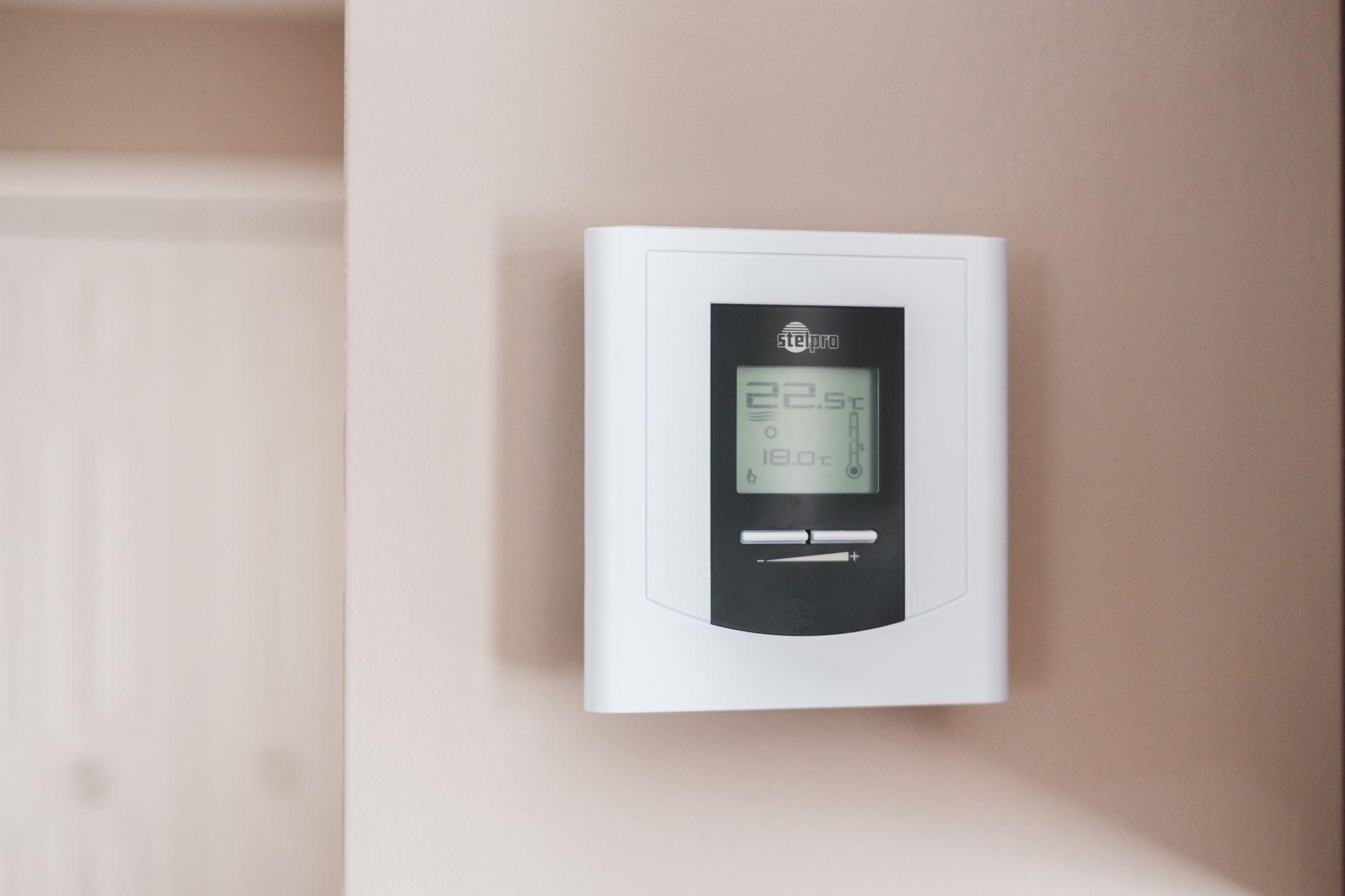
Behavior changes cost nothing but reduce consumption immediately. Most households waste significant energy through simple habits. Adjust your thermostat temperature by just 7 to 10 degrees for 8 hours daily saves 10 percent on heating and cooling costs, according to ENERGY STAR data. In winter, lower your thermostat to 68 degrees during the day and 62 degrees at night. In summer, raise it to 78 degrees when home and higher when away. Use fans to circulate cooled air, allowing you to feel comfortable at higher temperatures without raising air conditioning usage.
Unplug devices not actively in use, as phantom power drain costs homeowners $100 to $200 per year. Phone chargers, coffee makers, and entertainment systems draw power even when off or in standby mode. Use power strips to easily disconnect multiple devices at once. Run full loads in dishwashers and washing machines rather than partial loads, using less water and energy per item washed. Air dry clothes instead of using your dryer when weather permits. Dryers account for 3 to 5 percent of household electricity consumption, and air drying eliminates that cost entirely for several months each year. Switch to cooler water temperatures for laundry, as heating water accounts for 90 percent of washing energy costs.
- Adjust thermostat 7-10 degrees during sleeping and away hours
- Unplug chargers and devices when not in active use
- Run full loads only in dishwashers and washing machines
- Air dry clothes instead of machine drying
- Wash clothes in cold water instead of hot
- Use ceiling fans to circulate cool or warm air
- Close doors to unused rooms to avoid heating/cooling them
Thermostat and HVAC Adjustments That Add Up
Installing a programmable or smart thermostat gives you precise control over heating and cooling schedules. Programmable thermostats cost $25 to $100 and pay for themselves within months through energy savings. Smart thermostats like Nest or Ecobee cost $200 to $400 but learn your patterns, optimize temperatures automatically, and provide detailed energy usage data. These devices typically save 10 to 15 percent on heating and cooling costs. Programmable thermostats let you set different temperatures for different times of day and different days of the week. You can schedule lower temperatures overnight and when no one’s home, raising temperature only when needed.
Maintain your HVAC system to ensure peak efficiency. Replace furnace filters every 30 to 90 days depending on pet presence and air quality. Clogged filters force your system to work harder, wasting energy and increasing wear. Have your HVAC system professionally maintained annually, ideally before the heating or cooling season. Professional service includes checking refrigerant levels, cleaning components, and verifying efficient operation. Clean air vents and return air grilles throughout your home to ensure unrestricted airflow. Blocked vents force your system to work harder to push air through ducts. Learn more about energy-efficient home upgrades for your HVAC system.
| HVAC Improvement | Cost | Annual Savings | Payback Period |
|---|---|---|---|
| Programmable Thermostat | $25-$100 | $50-$150 | 3-12 months |
| Smart Thermostat | $200-$400 | $150-$300 | 1-3 years |
| Ductwork Sealing | $300-$600 | $100-$200 | 2-4 years |
| System Maintenance | $75-$200 | $50-$100 | 1 year |
Appliance and Lighting Swaps Worth Making
Switching to LED lighting is one of the fastest payback energy investments available. LED bulbs use 75 percent less energy than incandescent bulbs and last 15 to 25 times longer. A single LED bulb costs $2 to $8 but saves $10 to $30 in electricity costs over its lifetime. If you have 40 lightbulbs in your home, converting them all to LED saves $400 to $1,200 over the life of the bulbs. Start by replacing frequently used bulbs in high-use rooms like kitchens, bathrooms, and living areas where savings accumulate fastest.
Aging appliances waste significant energy. Refrigerators, water heaters, and air conditioners manufactured before 2015 consume 20 to 40 percent more energy than modern ENERGY STAR models. If your refrigerator is over 10 years old, upgrading to a modern model typically pays for itself within 3 to 5 years through energy savings. Water heaters have similar cost-benefit profiles. Lowering your water heater temperature from 140 degrees to 120 degrees reduces energy consumption 6 to 8 percent with no noticeable lifestyle impact. Insulating your water heater and the first six feet of hot water pipes reduces heat loss and lowers energy bills.
- Replace incandescent bulbs with LEDs throughout your home
- Replace aged appliances with ENERGY STAR models
- Lower water heater temperature to 120 degrees
- Insulate hot water pipes and water heater
- Use a microwave instead of oven for small meals
- Keep refrigerator coils clean and vents unblocked
- Use induction cooktops instead of electric resistance
Insulation and Sealing Fixes
Air leaks account for 25 to 30 percent of heating and cooling energy loss in typical homes. Sealing air leaks costs little but prevents conditioned air from escaping. Use weatherstripping around doors and windows, caulk around penetrations where pipes or wires enter walls, and seal gaps around outlets and switches. These materials cost $20 to $50 for an entire home and are easy DIY projects. Focus on sealing the largest gaps first, as they waste the most energy. Attic hatches, basement rim joists, and gaps where utilities enter are major leak locations.
Insulation improvements provide long-term energy savings and pay for themselves over time. Adding insulation to attics where insulation is thin or missing reduces energy loss significantly. Attic insulation typically costs $1,000 to $3,000 but saves $100 to $300 annually, paying for itself within 4 to 8 years. Basement insulation and pipe insulation cost less and have quicker payback. Foam pipe insulation costs $1 to $3 per foot and reduces heat loss from pipes carrying hot water. Basement wall or rim joist insulation prevents cold air infiltration around foundations.
| Sealing/Insulation Project | Cost | Annual Savings |
|---|---|---|
| Weatherstripping & Caulking | $20-$50 | $30-$100 |
| Air Sealing Comprehensive | $200-$500 | $100-$300 |
| Attic Insulation Addition | $1,000-$3,000 | $100-$300 |
| Pipe & Water Heater Insulation | $50-$150 | $50-$150 |
Time-of-Use Rates and Off-Peak Habits
Many utility companies offer time-of-use rates where electricity costs less during off-peak hours and more during peak demand periods. Peak hours typically run 4 p.m. to 9 p.m., when many people arrive home and run appliances simultaneously. Off-peak hours run late evening through morning, offering rates 20 to 50 percent lower than peak rates. If your utility offers time-of-use rates, shifting energy use can significantly reduce bills. Run dishwashers, laundry, and charge electric vehicles during off-peak hours when electricity is cheapest.
To benefit from time-of-use rates, you may need a smart meter that tracks hourly usage. Contact your utility company to ask if time-of-use rates are available in your area. If offered, the utility installs a smart meter at no cost. Some utilities offer substantial incentives to customers who enroll in time-of-use programs, including rebates or credits that offset any slightly higher costs during peak times. Pre-cooling or pre-heating your home during off-peak hours minimizes the need for air conditioning or heating during expensive peak hours. Using a programmable thermostat with time-of-use awareness automates this process.
When Solar Starts to Make Financial Sense
Solar panels cost $10,000 to $25,000 before incentives but eliminate most or all electricity bills. Federal tax credits cover 30 percent of installation costs through 2032. Additional state rebates and utility incentives can reduce costs further. A typical residential solar system pays for itself within 6 to 12 years and provides 25 to 30 years of essentially free electricity. After payoff, savings accumulate at the full rate of your normal electricity bill, typically $500 to $2,000 annually.
Solar makes most financial sense if your electric bills exceed $100 monthly, you own your home for at least 7 years, your roof receives 4 to 6 hours of direct sunlight daily, and you live in a sunny region. Utility-scale solar varies significantly by location. Arizona, California, Florida, and Texas have excellent solar potential. Northern states and cloudy regions see lower returns. Get quotes from at least three installers and compare not just price but warranty terms, expected energy production, and financing options. Upgrading energy-efficient windows alongside solar can further reduce your energy needs. Leasing solar panels costs less upfront but provides smaller long-term savings than purchased systems.
Explore more homeowner savings strategies to maximize your financial benefits.
Bottom Line
Reducing your electric bill requires a combination of behavioral changes, strategic upgrades, and potentially larger investments like solar or insulation. Start with free or low-cost fixes: thermostat adjustments, unplugging devices, and behavior changes save 5 to 10 percent immediately. Mid-level investments like LED lighting and programmable thermostats save an additional 10 to 20 percent with payback periods under two years. Insulation and sealing projects provide steady savings over many years. Consider solar if you live in a sunny area and plan to stay in your home long-term.
How much can I save by adjusting my thermostat?
Lowering your heating temperature by 7-10 degrees for 8 hours daily saves 10% on heating costs, or roughly $10-$20 monthly in winter months depending on your climate.
Are LED bulbs really worth the cost?
Yes. LED bulbs cost $2-$8 but use 75% less energy and last 25 times longer than incandescent bulbs, saving $10-$30 per bulb over its lifetime.
How much does attic insulation cost?
Attic insulation costs $1,000-$3,000 to add or upgrade. It typically saves $100-$300 annually, paying for itself within 4-8 years.
Does solar make sense in cloudy climates?
Solar works in cloudy areas but produces less power. States with less sun have longer payback periods (10-15 years vs. 6-10 in sunny areas).
What’s the fastest way to lower my electric bill?
Adjusting your thermostat and unplugging phantom devices cost nothing and work immediately. LED lighting upgrades provide the best short-term return on investment.
Sources
- U.S. Department of Energy – Energy Saver
- ENERGY STAR
- American Council for an Energy-Efficient Economy
- EIA – Energy Information Administration
This site is independent and is not affiliated with any government agency, lender, insurer or contractor. The information is general in nature and is not legal, financial or professional advice.