Furnace Not Turning On? Common Causes and Fixes
A furnace that will not turn on is most often caused by a thermostat set incorrectly, a tripped breaker or flipped power switch, a dirty air filter triggering a safety shutoff, or a pilot light or ignitor failure, and most homeowners can rule out the first three causes in under 10 minutes before calling a technician.
Check the Thermostat Settings First
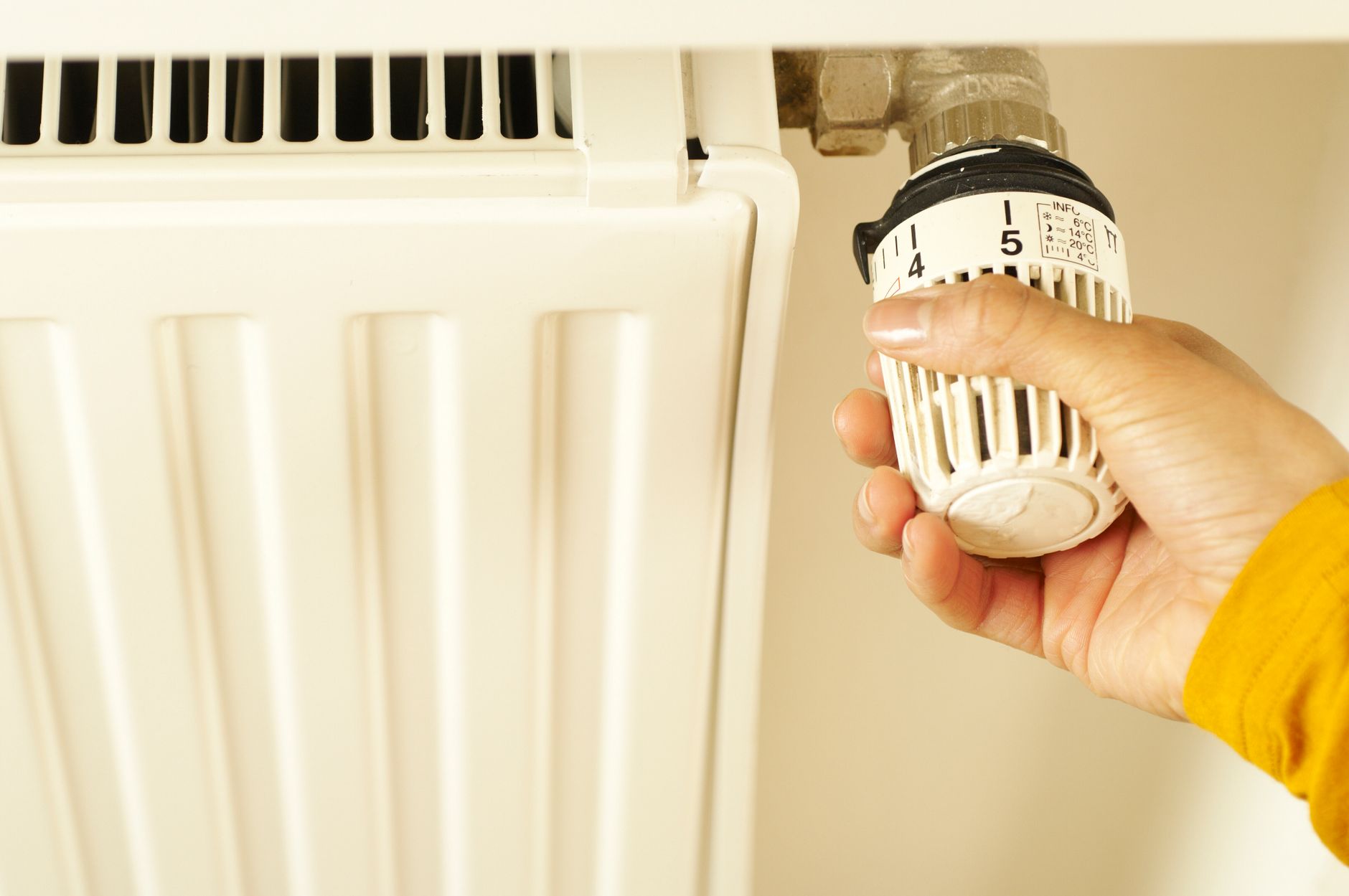
Before touching the furnace itself, confirm the thermostat is set to “heat,” not “cool” or “off,” and that the set temperature is at least a few degrees above the current room temperature. It sounds obvious, but HVAC service calls attribute a meaningful share of furnace-not-working complaints to a simple thermostat setting or dead batteries, according to common HVAC technician callout data.
If your thermostat has a screen, check that it is not blank or dim, which usually means the batteries need replacing, typically two AA or AAA batteries. Smart thermostats can also lose their schedule or connection after a power blip, so check the app or manually override the schedule if it looks off. A firmware update stuck mid-install can also freeze a smart thermostat display; a full power cycle by removing the unit from its base for 30 seconds often resolves this.
- Confirm the mode is set to “heat”
- Set the temperature at least 5 degrees above current room temperature and wait a few minutes
- Replace thermostat batteries if the display is dim or blank
- Check for a smart thermostat app connection issue or an accidental vacation or away mode
Check the Power Switch and Breaker
Furnaces run on standard household electricity even when they burn gas for heat, and they have a dedicated power switch that looks like a light switch, usually mounted on or near the furnace itself or on a nearby wall. It is easy to bump this switch during other work in the basement or utility closet.
If the switch is on and the furnace still will not start, check your electrical panel for a tripped breaker labeled for the furnace or HVAC. A tripped breaker that resets and trips again immediately signals an electrical problem that needs a licensed electrician or HVAC technician rather than repeated resets.
| What to Check | What It Looks Like |
|---|---|
| Furnace power switch | Wall-mounted switch near or on the furnace, similar to a light switch |
| Electrical breaker | Labeled “furnace” or “HVAC” in your main panel |
| Emergency shutoff switch | Often near the basement stairs or furnace room door |
Also check any dedicated fuse on the furnace control board itself, often a small automotive-style blade fuse near the circuit board. A blown fuse here will stop the unit even when the breaker upstream is fine, and replacement fuses cost only a few dollars at a hardware store.
Check the Pilot Light or Ignitor
Older gas furnaces use a standing pilot light, while most furnaces installed in the last 15 to 20 years use an electronic hot surface ignitor instead. If you have a pilot light, check whether it is lit; a blown-out pilot is a common and often easy fix.
Relighting a Standing Pilot Light
- Locate the pilot light assembly and reset instructions, usually printed on a panel inside the furnace
- Turn the gas valve to “off” and wait 5 minutes for any gas to clear
- Turn the valve to “pilot,” hold the reset button, and light the pilot per the printed instructions
- Hold the button for about 30 to 60 seconds before releasing to let the thermocouple heat up
If your furnace uses an electronic ignitor instead of a pilot light, you generally cannot repair this part yourself. A cracked or worn ignitor is one of the most common furnace failure points, with replacement parts typically costing $150 to $300 including labor, according to HomeAdvisor cost data. A failing flame sensor can produce similar symptoms, where the igniter glows but the burner shuts off seconds after lighting.
Check and Replace a Dirty Air Filter
A severely clogged air filter restricts airflow enough that many furnaces will shut down automatically as a safety measure to prevent the heat exchanger from overheating. This is one of the most common and cheapest fixes on this list.
The Department of Energy recommends checking your furnace filter monthly during heavy use season and replacing it every 1 to 3 months depending on the filter type and whether you have pets. A standard filter costs $10 to $30, while higher-efficiency pleated filters run $20 to $50.
- Locate the filter slot, usually near the blower compartment or in a return-air duct
- Hold the old filter up to a light; if you cannot see light through it, replace it
- Make sure the airflow direction arrow on the new filter points toward the furnace
- Set a recurring reminder every 60 to 90 days going forward
A filter that is too restrictive for your system, meaning too high a MERV rating for the blower motor, can also cause repeated shutoffs even when it is brand new. If problems continue right after a filter change, ask an HVAC technician whether your system can handle a higher-efficiency filter or whether you should stick with a standard one.
When It’s a Gas Supply Issue
If the thermostat, power, and filter all check out, confirm the furnace is actually getting gas. Check that the gas shutoff valve near the furnace is turned to the “on” position, meaning parallel with the pipe rather than perpendicular, and confirm other gas appliances in the home, like a stove or water heater, are also working.
If no gas appliances in the home are working, check whether your gas utility has an active outage in your area or whether a bill payment issue has caused a service disruption. If only the furnace is affected, the issue is more likely a closed valve, a faulty gas valve on the unit, or a safety lockout from a previous ignition failure, all of which typically need a technician to diagnose safely.
Never attempt to bypass a safety switch or force a gas valve open if you smell gas. Leave the home and call your gas utility emergency line immediately if you detect a gas odor.
When to Call an HVAC Technician
Call a licensed HVAC technician if you have checked the thermostat, power, filter, and visible pilot light and the furnace still will not start, or if you smell gas, hear repeated clicking without ignition, or see a blinking error code on the control board that you cannot decode from the furnace printed manual.
| Symptom | Likely Cause | DIY or Call a Pro |
|---|---|---|
| Thermostat blank or unresponsive | Dead batteries or wiring issue | DIY for batteries, pro if wiring |
| Furnace clicks repeatedly, no flame | Ignitor or flame sensor issue | Call a pro |
| Blower runs but no heat | Gas valve or ignition control issue | Call a pro |
| Nothing happens at all, no sound | Power switch, breaker, or blown fuse | DIY first, then pro |
A standard diagnostic visit typically costs $75 to $150, which is usually applied toward the repair cost if you proceed. This is also a good time to review your HVAC system savings options if your furnace is more than 15 years old, since repair costs start adding up compared to the cost of a full system replacement covered in our HVAC replacement cost guide. If you are weighing a full system change while you are already troubleshooting, it is worth comparing a heat pump versus a furnace for your climate before committing to another gas furnace repair. And if it is not just the furnace acting up, check whether winter-proofing your home more broadly, and troubleshooting a water heater that is not working, point to a bigger seasonal maintenance gap. For more seasonal fixes, browse the full tips and tricks section.
Bottom Line
Most furnace no-start problems trace back to the thermostat, a tripped breaker, a dirty filter, or a pilot and ignitor issue, and you can rule out the first three in under 10 minutes without tools. If those checks do not solve it, or you smell gas or see repeated ignition failures, call a licensed HVAC technician rather than troubleshooting the gas valve or ignitor yourself.
Why is my furnace not turning on at all, not even the blower?
This usually points to a power issue: check the furnace dedicated power switch, the breaker in your electrical panel, and thermostat batteries first. If all of those check out and it still will not start, the control board or transformer may have failed and needs a technician.
Can a dirty air filter really stop a furnace from turning on?
Yes. A severely clogged filter restricts airflow enough that many furnaces trigger a safety shutoff to prevent overheating. Replacing the filter, typically $10 to $50, resolves this in most cases within minutes.
How do I know if my furnace has a pilot light or an electronic ignitor?
Furnaces installed before the early 2000s commonly use a standing pilot light you can see through a small window on the unit. Most furnaces installed since then use an electronic hot surface ignitor, which you cannot see burning and cannot relight manually.
Is it dangerous if my furnace will not turn on?
The furnace not starting is not itself dangerous, but never try to force a gas valve open or bypass a safety switch. If you smell gas at any point, leave the home immediately and call your gas utility emergency line before doing any further troubleshooting.
How much does it cost to fix a furnace that will not turn on?
Simple fixes like a filter or thermostat batteries cost under $50. An ignitor or flame sensor replacement typically runs $150 to $300 including labor, while a diagnostic visit alone usually costs $75 to $150, according to HomeAdvisor cost data.
Sources
Related reading
- Appliance Repair Tips: A Complete Guide for Homeowners
- Winter-Proofing Your Home: A Complete Guide for Homeowners
- Hvac System Savings: A Complete Guide for Homeowners
- How to Find the Best Home Warranty Plan for Your Needs
This site is independent and is not affiliated with any government agency, lender, insurer or contractor. The information is general in nature and is not legal, financial or professional advice.